Wir verwenden Cookies, um Ihre Erfahrung zu verbessern.
Um die neuen Datenschutzrichtlinien zu erfüllen, müssen wir Sie um Ihre Zustimmung für Cookies fragen.

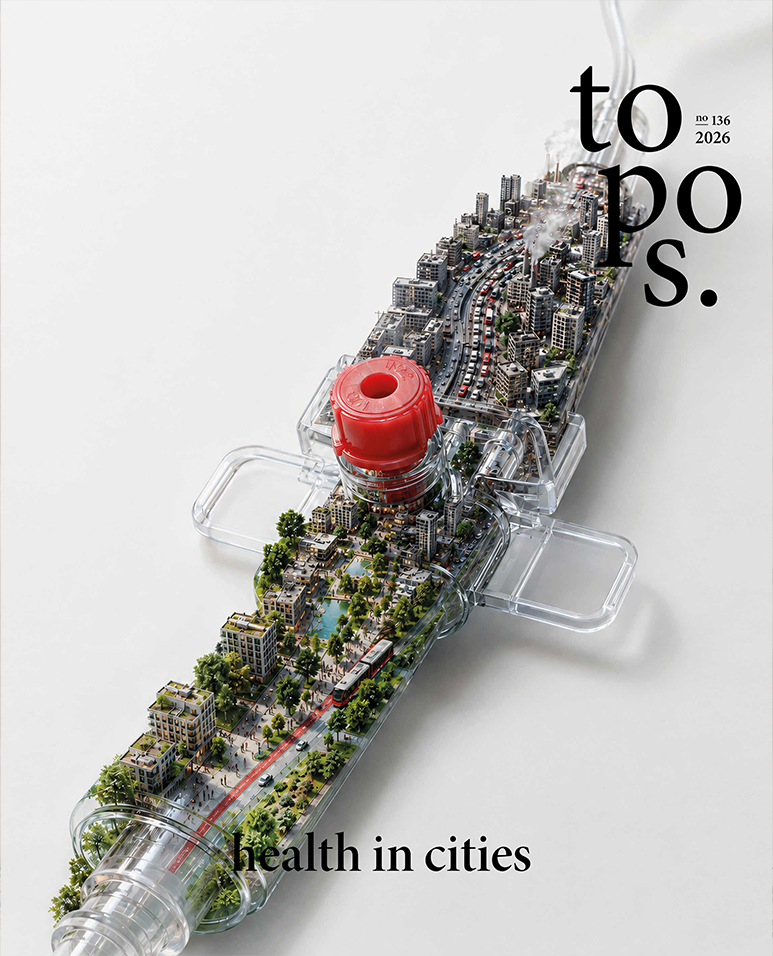
topos 136: health in cities
Can a city make us healthier?
The places where we live, move, meet and recover profoundly shape our health – yet urban planning has only begun to fully acknowledge this. This issue of topos investigates the healthy metropolis from multiple perspectives: from healing landscapes and active mobility to social infrastructure, urban nature, healthcare and harm reduction. Across cities and disciplines, we explore a simple but radical idea: health is not only treated in the city. It is designed into it.
Get a free preview of our current issue – enjoy the read.
about topos
topos - The International Review of Landscape Architecture and Urban Design - focuses on landscape architecture as well as increasingly on architecture and urban planning. It sees itself as an interdisciplinary think tank aimed at addressing the challenges urban areas will face in future. The professional magazine strives to inspire planning practitioners, urban experts and professionals who shape the cities of tomorrow. Every issue of the periodical, that is published quarterly, is dedicated to a different topic and deals with a broad array of projects and planning work in countries all over the world.

“We need each other.” – Interview with Eric Klinenberg
As cities become denser, hotter and increasingly digital, urban health depends on more than hospitals, clean air, and access to green space. In this interview, sociologist and author Eric Klinenberg explores why social infrastructure – from libraries and playgrounds to parks, schools, and community centres – is essential to healthy, resilient, and democratic cities. Drawing on his research into the places that bring people together, he explains how everyday encounters foster trust, belonging, and social connection, and why face-to-face interaction cannot be replaced by digital communication. Klinenberg discusses the potential of climate-adaptation projects to create new opportunities for civic life, the importance of designing and maintaining inclusive public spaces, and the lessons cities can learn from the COVID-19 pandemic. A conversation about loneliness, urban resilience, and why the future of healthy cities depends on creating places where people can meet.
Read more about it in the print issue or the ePaper. Bildcredit: Miguel Lopez Mallach

Can Landscapes Heal?
Can a view of trees, a shaded path, or a quiet garden influence our health? In Can Landscapes Heal?, Laura Loewel explores how landscape architecture is moving beyond the idea of green space as mere decoration to become an integral part of healthy urban environments. Drawing on projects in Singapore, Copenhagen, and Vancouver, the article examines how gardens, parks, and open spaces can reduce stress, encourage physical activity, and support social connection without replacing medicine or therapy. From therapeutic hospital landscapes to public roof gardens and networks of health-promoting green spaces, these projects reveal the importance of accessibility, sensory experience, and everyday choice. At the same time, the article questions who benefits from so-called healing landscapes and how design can accommodate different bodies, needs, and abilities. A reflection on health, self-determination, and the evolving role of landscape architecture in creating more inclusive and resilient cities.
Read more about it in the print issue or the ePaper. Bildcredit: Reynaldo Yodia on Unsplash
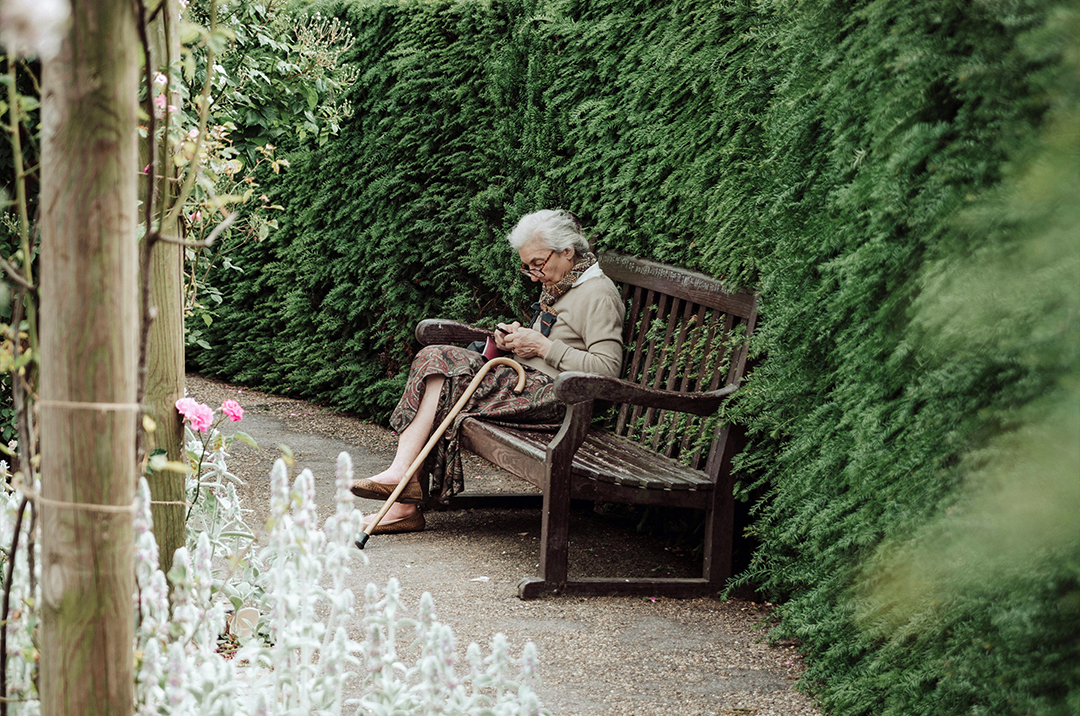
The Caring Metropolis
What if the health of a city were measured not only by its hospitals, but by the quality of everyday life? In The Caring Metropolis, Anne Heinkelmann explores how urban planning, landscape architecture, and public health are converging around a broader understanding of care. From accessible green spaces and walkable neighbourhoods to affordable housing, social infrastructure, and community-based services, the article examines how cities can create environments that support physical, mental, and social well-being across generations. Drawing on examples from Tokyo, Singapore, London, Vienna, and other European cities, it reveals different approaches to integrating health into urban governance and spatial development. At the heart of this transformation is a shift from treating care as a specialised service to understanding it as a shared responsibility embedded in streets, parks, housing, and public spaces. A reflection on preventive health, social justice, and the question of how caring cities can become the foundation of a more sustainable and inclusive urban future.
Read more in the print issue or the ePaper. Bildcredit: Andreea Popa via Unsplash