Wir verwenden Cookies, um Ihre Erfahrung zu verbessern.
Um die neuen Datenschutzrichtlinien zu erfüllen, müssen wir Sie um Ihre Zustimmung für Cookies fragen.


topos 135: circularity in cities
Sustainability has become one of the defining ambitions of our time. Yet while cities set climate targets and measure emissions with increasing precision, they continue to consume vast amounts of materials, demolish buildings and replace products at an accelerating pace. We talk about efficiency, but often overlook the resources that are lost along the way.
This issue of topos explores a question that is becoming increasingly urgent: What if true sustainability is not only about reducing carbon emissions, but also about reducing waste? Circularity in Cities examines how urban environments can preserve value rather than constantly replacing it. From adaptive reuse projects and circular construction methods to innovative approaches in design, manufacturing and resource management, the stories in this issue reveal how cities can become more resilient by keeping materials, buildings and infrastructure in circulation for longer. They remind us that the future of urban sustainability may not depend on consuming less, but on wasting less—and on learning how to build prosperity that lasts.
Get a free preview of our current issue – enjoy the read.
about topos
topos - The International Review of Landscape Architecture and Urban Design - focuses on landscape architecture as well as increasingly on architecture and urban planning. It sees itself as an interdisciplinary think tank aimed at addressing the challenges urban areas will face in future. The professional magazine strives to inspire planning practitioners, urban experts and professionals who shape the cities of tomorrow. Every issue of the periodical, that is published quarterly, is dedicated to a different topic and deals with a broad array of projects and planning work in countries all over the world.
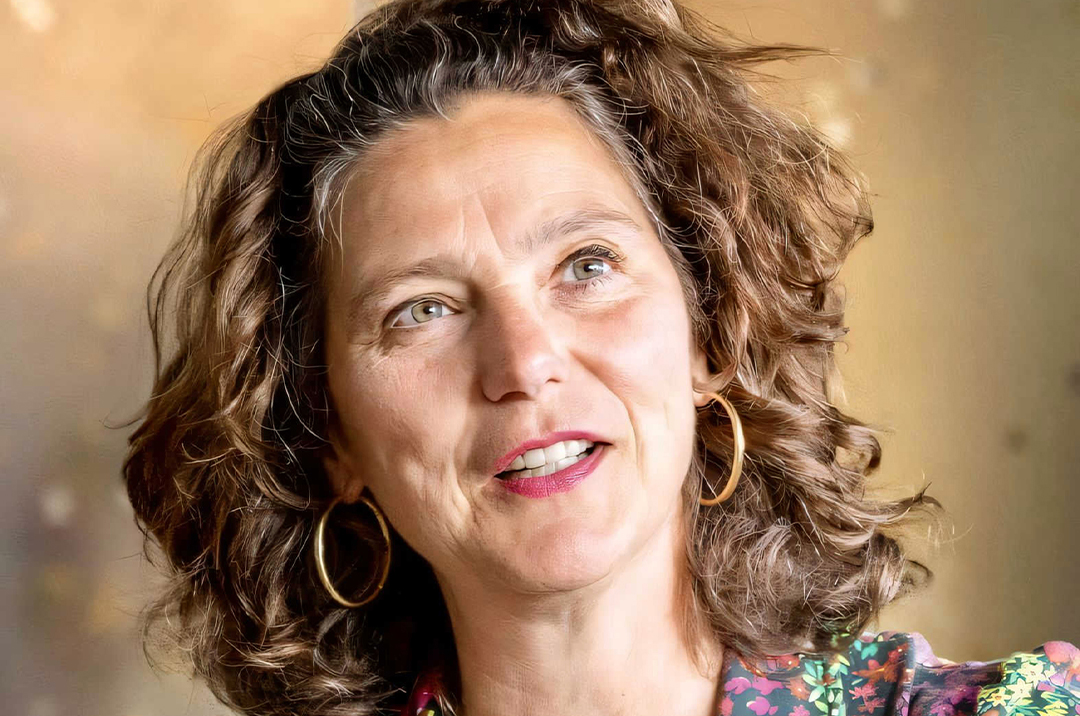
Don’t scale up, spread out” – Interview with Marieke van Doorninck
During her time as Deputy Mayor for Spatial Development and Sustainability in Amsterdam, Marieke van Doorninck helped position circularity at the heart of urban policy. In this conversation, she reflects on how Amsterdam moved beyond isolated pilot projects to embed circular principles into planning, governance, and urban development. Drawing on concepts such as the doughnut economy, material flow analysis, and circular construction, van Doorninck argues that circularity is not merely a technical challenge but a fundamental rethinking of how cities define value, growth, and prosperity. She discusses the barriers posed by existing economic and legal systems, the importance of community-led initiatives, and why meaningful transformation requires more than efficiency improvements. A conversation about governance, urban innovation, and the urgent need to redesign the systems that shape our cities and everyday lives.
Read more about it in the print issue or the ePaper. Bildcredit: Ineke Oostveen
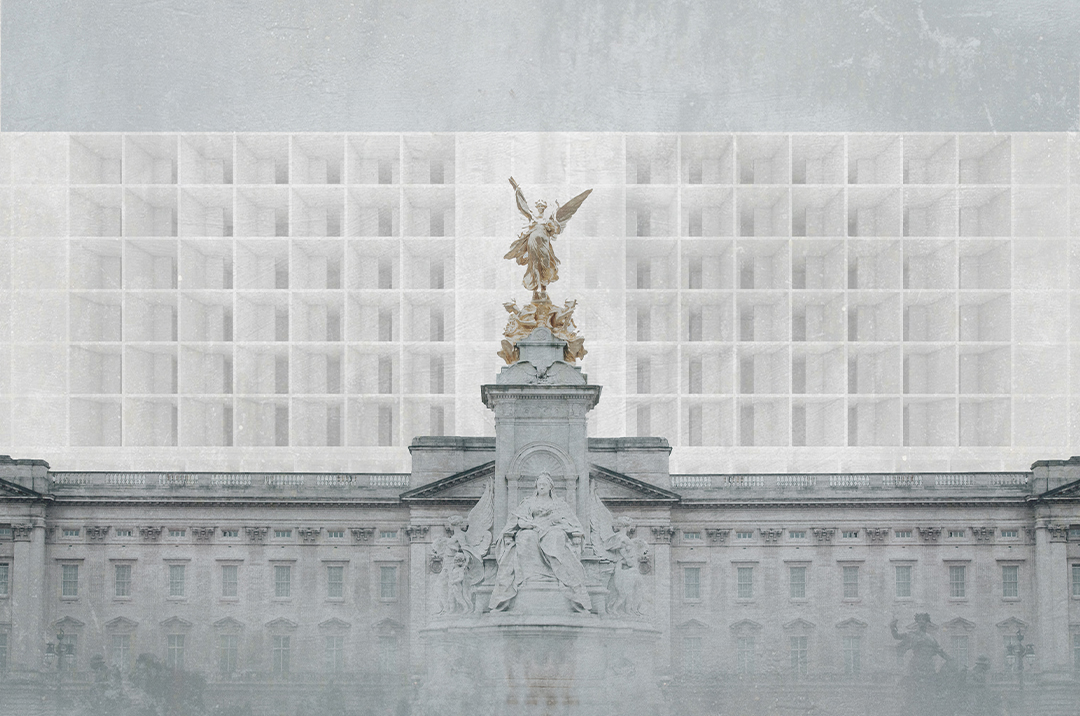
Palace for the Many
What if one of the world’s most iconic symbols of privilege became affordable housing? In Affordable Palace, the Munich-based practice Opposite Office proposes the seemingly absurd transformation of Buckingham Palace into a collective living space for Londoners. Somewhere between satire, architectural speculation, and political critique, the project exposes a city shaped by growing housing shortages, spatial inequality, and underused urban resources. Rather than focusing on new construction, it asks a provocative question: why do cities constantly pursue expansion while rarely discussing redistribution? Through the lens of circularity, Affordable Palace challenges conventional approaches that focus solely on materials and technology. Instead, it reimagines circularity as a question of access, ownership, and the reuse of space itself. A reflection on housing, power, and the hidden politics of urban form, the project invites us to reconsider what cities already have – and who gets to inhabit it.
Read more about it in the print issue or the ePaper. Bildcredit: Opposite Office, Benedikt Hartl
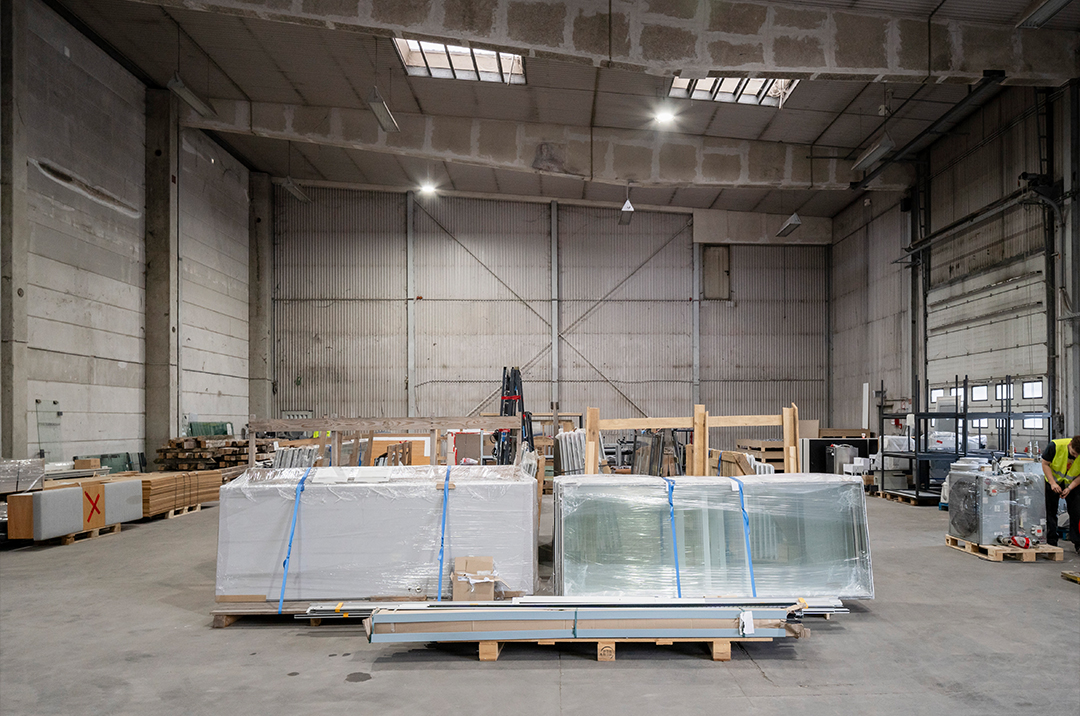
From Old Structures to New Uses
Cities are not only places of construction and consumption – they are vast repositories of materials accumulated over decades. This article explores how urban mining is transforming the built environment into a valuable resource for the circular city. With initiatives such as the Urban Mining Hub Berlin and the Urban Mining Cadastre Germany, new infrastructures are emerging that make existing material stocks visible, accessible, and reusable. Combining digital data with physical logistics, these tools enable planners, municipalities, and developers to integrate circular material flows into urban development processes.From adaptive reuse strategies and selective deconstruction to large-scale projects such as the Königsbrunn Forum and the redevelopment of Berlin’s former Tegel Airport, urban mining is reshaping how cities approach resources, waste, and construction. A look at the technologies, partnerships, and planning methods that are turning demolition into value creation and redefining the future of sustainable urban development.
Read more in the print issue or the ePaper. Bildcredit: Concular Nico Fritzenschaft