Wir verwenden Cookies, um Ihre Erfahrung zu verbessern.
Um die neuen Datenschutzrichtlinien zu erfüllen, müssen wir Sie um Ihre Zustimmung für Cookies fragen.


topos 134: Rebels of Urbanism
Cities are supposed to be planned: orderly, efficient, sustainable. Streets must function, zones must align, development must follow strategies and guidelines. Yet urban life rarely unfolds according to plan. In the gaps between regulation and reality, people act. Someone plants tomatoes in a parking lot, transforms a vacant lot into a playground, or reclaims forgotten corners of the city. This issue of topos is dedicated to those moments. Rebels of Urbanism explores individuals and collectives who challenge urban conventions through action rather than permission. They see the city not as a finished design, but as an open system – imperfect, contested, and full of opportunities. From informal settlements that outsmart rigid planning to artists and activists who reinterpret public space, these stories reveal how small acts of resistance can reshape urban life. They remind us that cities are not only built by plans and policies, but also by imagination, persistence, and the courage to test the rules.
Get a free preview of our current issue – enjoy the read.
about topos
topos - The International Review of Landscape Architecture and Urban Design - focuses on landscape architecture as well as increasingly on architecture and urban planning. It sees itself as an interdisciplinary think tank aimed at addressing the challenges urban areas will face in future. The professional magazine strives to inspire planning practitioners, urban experts and professionals who shape the cities of tomorrow. Every issue of the periodical, that is published quarterly, is dedicated to a different topic and deals with a broad array of projects and planning work in countries all over the world.

“You cannot stop life” – Interview with Wladimir Klitschko
Wladimir Klitschko is part of a city that refuses to stand still under siege. As a member of Ukraine’s Territorial Defence and alongside his brother Vitali Klitschko, the mayor of Kyiv, he helps defend the capital while advocating internationally for military and humanitarian support. In this conversation, Klitschko reflects on how Kyiv continues to function as a global metropolis under constant attack, how communication and digital infrastructure have become lifelines, and why “urban rebellion” in today’s Kyiv is not metaphorical but a daily practice of resilience, adaptation, and collective courage. A conversation about survival, solidarity, and the extraordinary strength of people who refuse to let a city – or life itself – stand still.
Read more about it in the print issue or the ePaper. Bildcredit: Press Service of Kyiv Mayor Vitali Klitschko
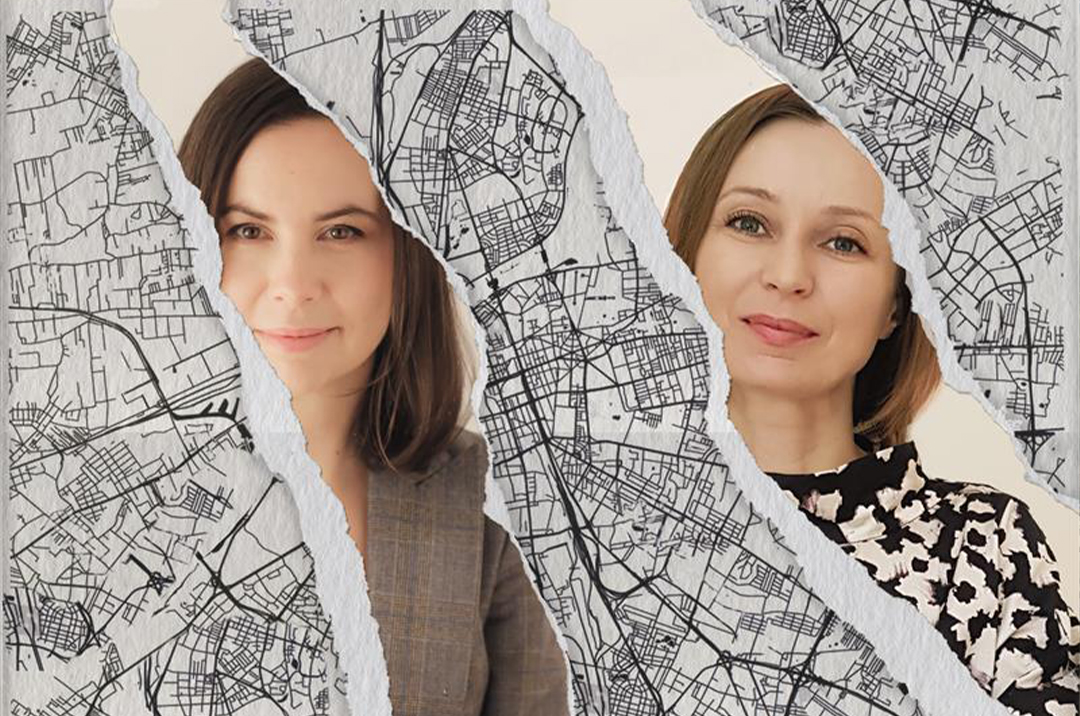
(R)evolutionizing Urban Space
Cities are often designed by men for men. This article explores how Ewelina Jaskulska and the urban collective Architektoniczki are challenging these assumptions, using data, night walks, and inclusive design to make public spaces safer and more equitable for everyone. From gender-sensitive mapping in Kraków’s Nowa Huta to reimagining schoolyards in Barcelona, their projects reveal how urban planning shapes daily life, identity, and belonging. More than criticism, Architektoniczki turn fear into data, exclusion into design interventions, and entrenched norms into opportunities for rebellion. This is urbanism as social action: a movement that makes cities truly public, inclusive, and alive for all.
Read more about it in the print issue or the ePaper. Bildcredit: Architektoniczki
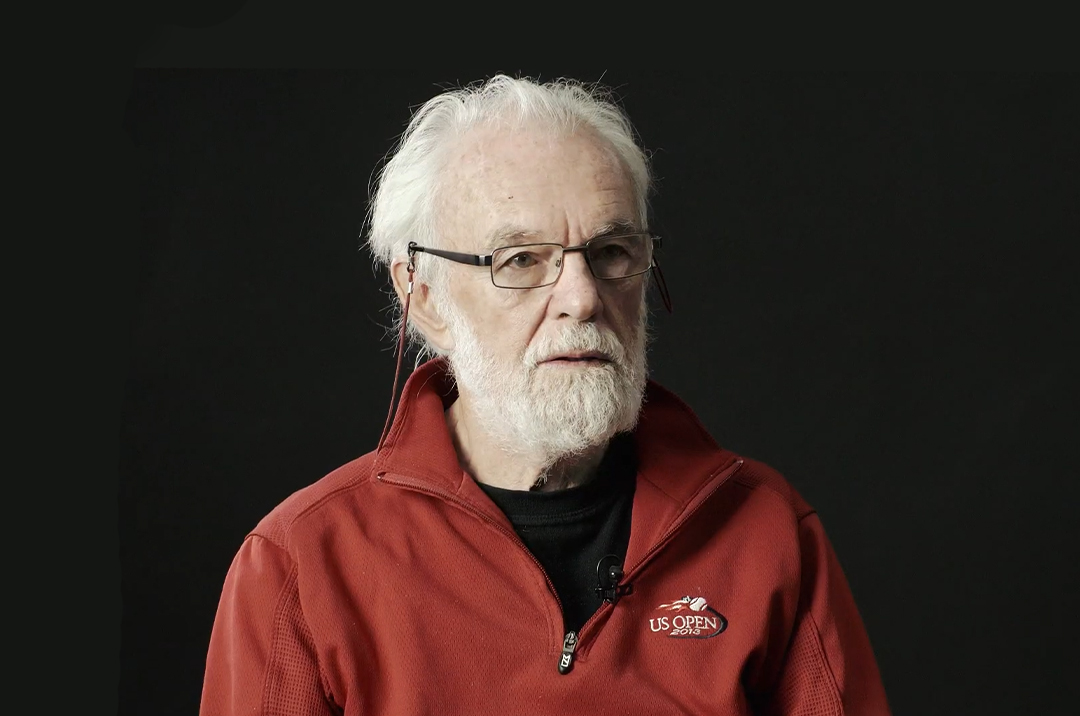
The City and the Capital
David Harvey, neo-Marxist theorist and anthropologist, has spent decades investigating how capital shapes cities and urban life. He examines capitalism’s contradictions, from the extraction of value to the privatization of public space, and how these forces determine who can inhabit, move through, and transform the city. Harvey argues that urban life is both a product and a stage of class struggle, and that democratic, collective action is essential to reclaim the city for its residents. A reflection on power, value, and the radical potential of urban theory to challenge inequality, showing how the city itself becomes a site of resistance, negotiation, and social transformation.
Read more in the print issue or the ePaper. Bildcredit: By FLOK Society, CC BY 3.0 License