Wir verwenden Cookies, um Ihre Erfahrung zu verbessern.
Um die neuen Datenschutzrichtlinien zu erfüllen, müssen wir Sie um Ihre Zustimmung für Cookies fragen.

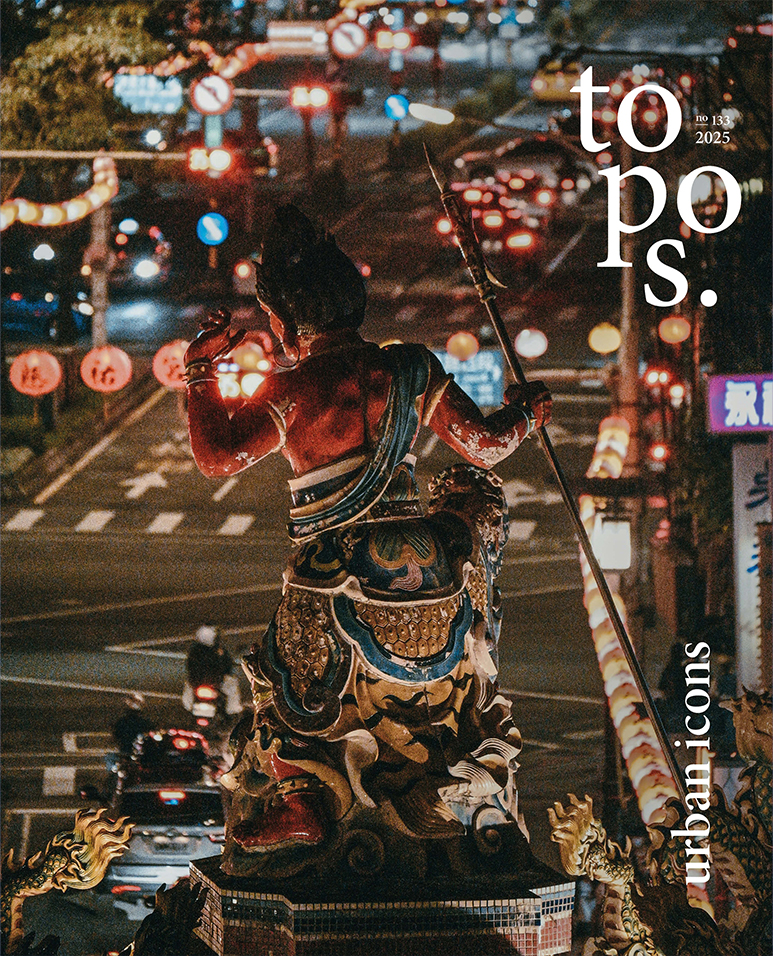
topos 133: urban icons
Urban icons shape how cities are seen, remembered, and sold informing skylines, postcards, and collective imagination. They promise identity, orientation, and pride, yet their meanings are rarely innocent. This issue of topos neither celebrates icons as unquestioned achievements nor dismisses them as empty spectacle. Instead, it examines their power. For architects, planners, and urbanists, icons are more than landmarks. They influence investment, tourism, and policy, while often obscuring the social, political, and ecological costs behind their images. Who defines what becomes an icon? What narratives are amplified – and which are erased?
Urban Icons explores the double life of symbolic places, from monumental architecture to subtle landscapes that invite memory, play, or quiet reflection. Through global case studies, the issue reveals how icons inspire, standardise, distract, and endure. It asks not what icons do for cities, but what they reveal about the values, contradictions, and futures of urban society.
Get a free preview of our current issue – enjoy the read.
about topos
topos - The International Review of Landscape Architecture and Urban Design - focuses on landscape architecture as well as increasingly on architecture and urban planning. It sees itself as an interdisciplinary think tank aimed at addressing the challenges urban areas will face in future. The professional magazine strives to inspire planning practitioners, urban experts and professionals who shape the cities of tomorrow. Every issue of the periodical, that is published quarterly, is dedicated to a different topic and deals with a broad array of projects and planning work in countries all over the world.

Roberto Burle Marx and the Copacabana
At Rio’s Copacabana Beach, Roberto Burle Marx transformed the shoreline into a living canvas where art, nature, and social life converge. In this article, Karoline Liedtke-Sørensen explores how Burle Marx’s iconic black-and-white promenade turns abstraction into movement and public space into a shared expression of Brazilian identity. More than decorative design, the Copacabana is a choreographed landscape that engages people, light, water, and plants in continuous dialogue. Burle Marx combined modernity, tradition, and ecological sensitivity to create a democratic urban space that embodies collective memory and cultural identity. This is landscape architecture as social sculpture: a place where design, nature, and everyday life intersect, offering a masterclass in how public spaces can become truly iconic.
Read more about it in the print issue or the ePaper. Bildcredits: Photo by Kseniia Lobko via Unsplash
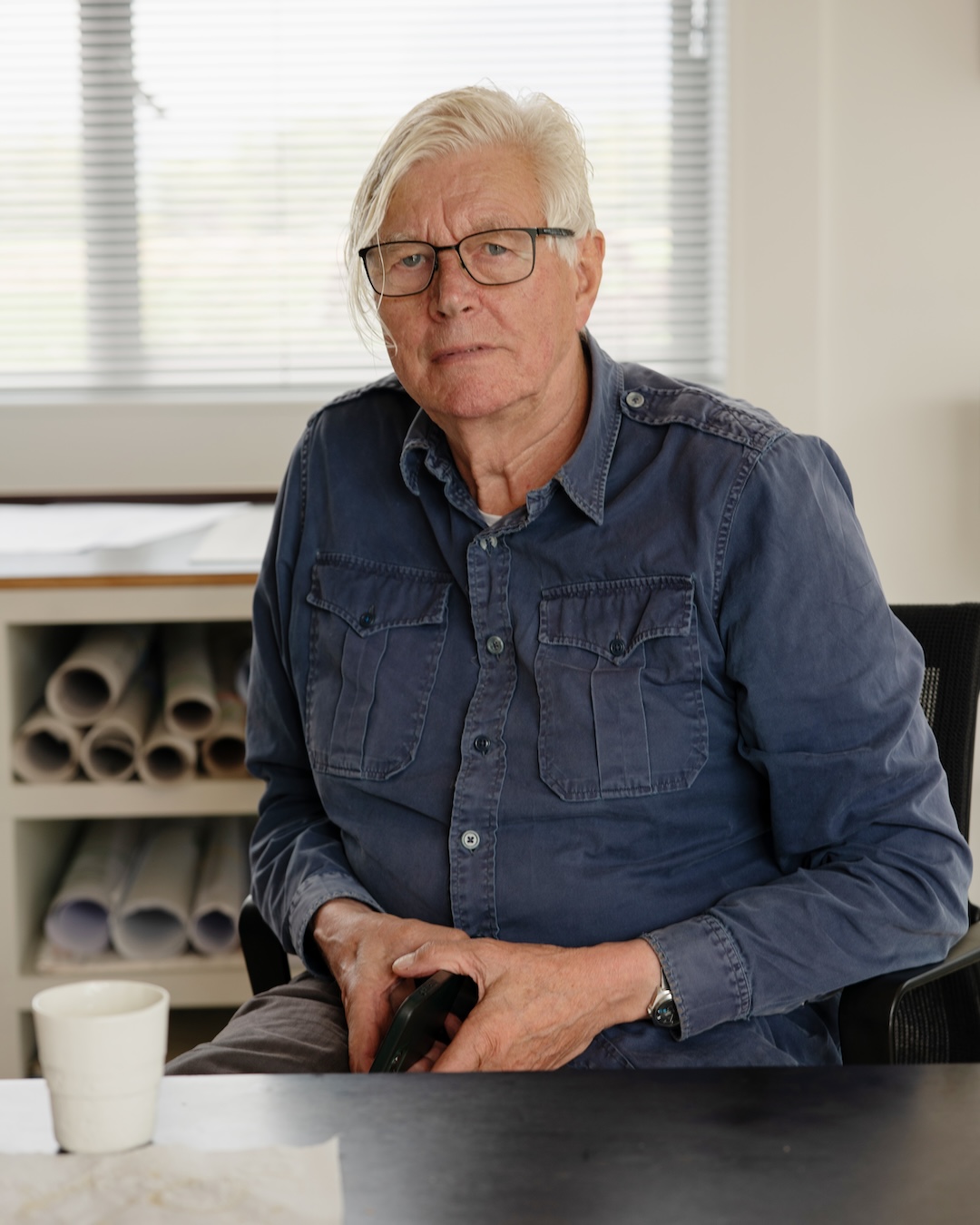
„Iconic status emerges over time“ – An Interview with Piet Oudolf
World-renowned garden designer Piet Oudolf is best known for landscapes that change, age, and evolve over time. In this interview, he reflects on why true urban icons are not defined by monumentality or permanence, but by context, care, and long-term stewardship. Drawing on projects such as the High Line in New York and Lurie Garden in Chicago, Oudolf discusses the symbolic power of planting design, the role of impermanence in public space, and how landscapes can become places of collective meaning. A conversation about time, ecology, and why some of the most iconic urban spaces grow quietly rather than stand tall.
Read more about it in the print issue or the ePaper. Bildcredits: Tony Spencer
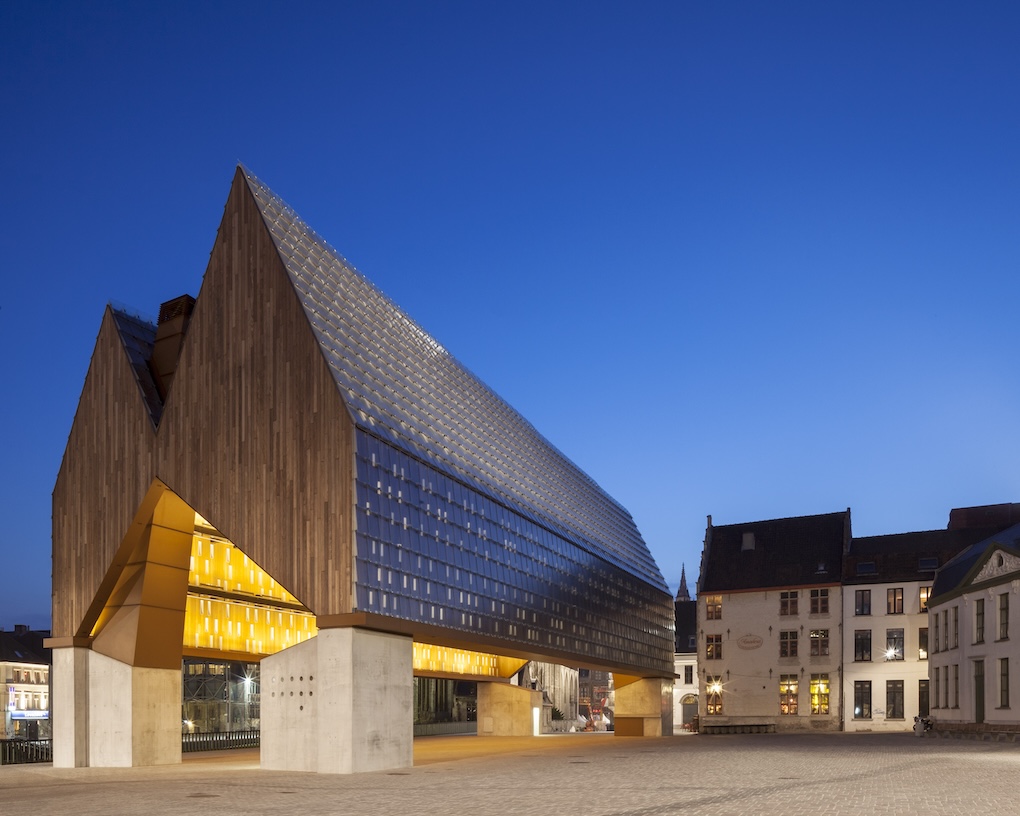
The Subtle Power of an Urban Icon
Not every urban icon dominates the skyline. In Ghent, the Market Hall achieves its impact quietly, through openness, adaptability, and collective use. Steven Petit explores how Robbrecht en Daem and Marie-José Van Hee created a structure that is simultaneously shelter, stage, and meeting point–a civic experiment in which architecture serves life rather than spectacle.With its asymmetrical wooden roof and open design, the Market Hall does not assert itself over the historic city but invites engagement, becoming a space shaped by everyday use, events, and community life. Over time, what was once controversial has become cherished, demonstrating that the power of an urban icon can lie not in monumentality or image, but in the subtle choreography of shared space.
Read more in the print issue or the ePaper. Bildcredits: Tim Van de Velde